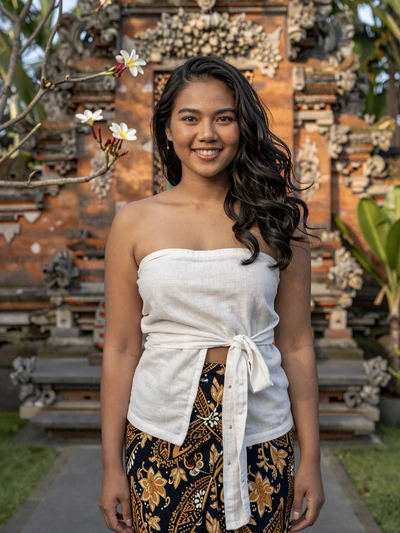
Asian dating culture encompasses a vast spectrum of traditions, values, and relationship norms shaped by thousands of years of history across more than 40 countries. Whether you're interested in the formal courtship rituals of Japan or the family-centered matchmaking traditions of India, understanding these cultural nuances is the foundation of any successful cross-cultural relationship. This guide breaks down the key dating customs across Asia's major regions so you can approach your connections with confidence, respect, and genuine understanding.
A 2025 Statista report found that 43% of international dating platform users said "cultural misunderstanding" was their biggest challenge. The solution isn't avoiding cultural differences - it's embracing them. Here's what you need to know.
How Dating Traditions Differ Across Asia
East Asian Dating - Formality and Devotion

East Asian dating culture - spanning Japan, Korea, China, Taiwan, and Mongolia - emphasizes intentionality and emotional restraint in the early stages. In Japanese dating culture, the concept of kokuhaku (a formal love confession) marks the official start of a relationship. There's no ambiguous "talking stage" - once kokuhaku happens, you're exclusive. Gift-giving is deeply meaningful, with seasonal omiyage (souvenirs) showing thoughtfulness.
Korean dating culture is heavily influenced by K-drama romanticism and the concept of couple culture. Korean couples celebrate not just anniversaries but monthly milestones - the 100th day together is a major event. Sogaeting (blind dates arranged by friends) remains the most common way couples meet offline, though dating apps have surged to 67% adoption among Korean singles under 35 (Korea Herald, 2025).
Chinese dating norms blend Confucian respect for family with modern pragmatism. Parents often play an active role in partner selection, and marriage-readiness indicators like financial stability and property ownership carry significant weight. Taiwanese dating, by contrast, is among Asia's most progressive - Taipei's vibrant café and night market culture creates relaxed, equal-footing date settings.
Southeast Asian Dating - Warmth and Family
Southeast Asia is where warmth, hospitality, and deep family bonds define the dating experience. Thai dating culture revolves around the concept of sanuk (fun) and the famous Thai smile. Buddhism influences patience and non-confrontation in relationships. The wai greeting - a slight bow with palms pressed together - is your first signal of cultural respect.
Filipino dating culture stands out for its strong Catholic influence and emphasis on ligawan (formal courtship). Meeting the family isn't a milestone - it's practically a first step. Filipino women often gauge a man's character by how he treats her parents and extended family, making respectful introductions crucial.
Vietnamese dating follows Confucian hierarchies where elders' approval is paramount. The Tet holiday (Lunar New Year) is the most important time to demonstrate your commitment - being invited to a family's Tet celebration signals deep acceptance. According to a 2025 Vietnam Net report, 71% of Vietnamese women consider a partner's willingness to learn Vietnamese culture as the strongest indicator of serious intent.
South Asian Dating - Tradition and Transformation
Indian dating culture is experiencing a dramatic shift. While arranged marriages still account for roughly 55% of unions (India Today, 2025), love marriages and international dating are growing rapidly among urban, educated women. India's regional diversity means dating norms vary enormously - a woman from cosmopolitan Mumbai may have very different expectations than someone from traditional Jaipur.
Across South Asia, family involvement is not optional - it's foundational. Pakistani, Bangladeshi, and Sri Lankan dating cultures share this trait. The key difference from Western dating is timeline: South Asian relationships often progress from "getting to know each other" directly to "meeting the family for marriage consideration," with fewer casual dating stages in between. Showing respect through small gestures - removing shoes before entering a home, addressing elders formally - speaks louder than words.
"Cross-cultural dating succeeds when both partners become students of each other's worlds. Curiosity is the most attractive quality you can bring to an international relationship."
- Dr. Priya Mehta, Cross-Cultural Relationship Therapist, 2025