
 Verified
♡ Verified Bhutanese Profiles
Bhutanese Women Dating - Discover Love in the Land of Happiness
Connect with verified Bhutanese women from Thimphu, Paro, and Punakha who embody the Gross National Happiness philosophy - genuine kindness, deep loyalty, and lifelong devotion.
Why Bhutanese Women Make Exceptional Life Partners
Bhutanese women dating offers something no other international dating experience can: a connection rooted in the world's only country that measures success by Gross National Happiness (GNH) rather than GDP. Bhutan, a small Himalayan kingdom of approximately 780,000 people nestled between India and Tibet, produces women whose values are shaped by Vajrayana Buddhism, deep environmental consciousness, and a family-first philosophy that Western men consistently describe as transformative. For men seeking a partner who prioritizes emotional well-being, spiritual depth, and authentic human connection over materialism, Bhutanese women represent an extraordinary match.
The Kingdom of Bhutan remained intentionally isolated from the outside world until the 1960s, preserving a cultural authenticity that feels almost mythical in the modern era. Television and the internet only arrived in 1999. This deliberate approach to modernization means that Bhutanese women carry a unique blend of traditional values and growing global awareness - they are deeply grounded in their culture while increasingly curious about cross-cultural relationships. Asian iDatingZone hosts over 18,000 verified Bhutanese profiles, each representing a woman who values genuine connection over superficial attraction.
What Makes Bhutanese Women Unique?
Men who connect with Bhutanese singles consistently highlight qualities that set them apart from women in any other dating culture:
- Gross National Happiness as a life philosophy: Bhutan's GNH framework - established by the Fourth King Jigme Singye Wangchuck in 1972 - emphasizes psychological well-being, health, education, and community vitality. Bhutanese women internalize these values, approaching relationships with a focus on emotional richness rather than material acquisition.
- Deep Buddhist compassion: Over 75% of Bhutan's population practices Vajrayana Buddhism (Royal Government of Bhutan, 2025). This spiritual foundation cultivates qualities Western men deeply appreciate: patience, empathy, non-judgmental communication, and the ability to find peace in simplicity.
- Environmental consciousness: Bhutan is the world's only carbon-negative country, with over 72% of its land covered in forest (World Bank, 2025). Bhutanese women grow up with a profound reverence for nature that translates into mindful, sustainable approaches to life and relationships.
- Strong family bonds with matrilineal traditions: Unlike many Asian societies, Bhutan has significant matrilineal inheritance patterns, particularly in rural areas. Women hold substantial authority within households, property often passes through the female line, and gender equality in family decision-making is historically embedded in Bhutanese culture.
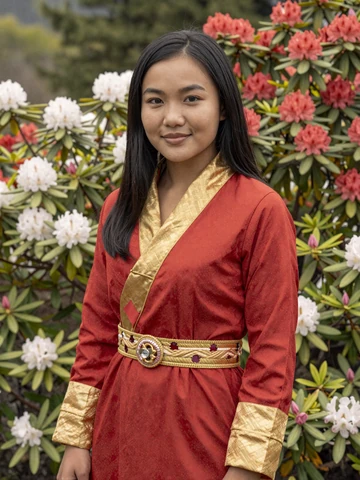
- Cultural pride and the kira tradition: The traditional kira - an ankle-length dress woven from vibrant hand-loomed fabric - is worn daily by Bhutanese women, not just during ceremonies. This cultural pride extends to every aspect of their lives, from Buddhist rituals to national archery competitions, creating a partner who brings deep authenticity to any relationship.
If you've explored connections with Nepali women, you'll notice significant cultural overlap - both nations share Himalayan geography, Hindu-Buddhist traditions, and a warm, hospitable approach to outsiders. Meanwhile, Indian women, particularly from northeastern states like Sikkim and Arunachal Pradesh, share Tibeto-Burman ethnic roots and Buddhist values with their Bhutanese neighbors.
💡 Cultural Insight
In Bhutanese culture, the concept of tha damtshig - sacred commitment and loyalty - governs personal relationships. When a Bhutanese woman commits to a relationship, she views it as a spiritual bond, not merely a social arrangement. Demonstrating your own commitment through consistent actions, not just words, earns the deepest respect from a Bhutanese partner.
📝 Bhutan at a Glance
- Population: ~780,000 (2026)
- Capital: Thimphu
- Major cities: Thimphu, Paro, Punakha, Bumthang
- Languages: Dzongkha (official), English
- Religion: 75% Vajrayana Buddhist, 22% Hindu
- Key festival: Tshechu (masked dance festivals)
- National philosophy: Gross National Happiness
- Forest cover: 72%+ (carbon-negative nation)
Bhutan at a Glance - Cultural Facts for Dating
| Cultural Element | What to Know | Dating Relevance |
|---|---|---|
| Gross National Happiness | Bhutan measures national success through four pillars: sustainable development, environmental conservation, cultural preservation, and good governance. Enacted in 1972 by King Jigme Singye Wangchuck. | Bhutanese women seek partners who value emotional well-being and meaningful living over material wealth. Demonstrating your own "happiness philosophy" resonates deeply. |
| Vajrayana Buddhism | Buddhism permeates daily life - from morning prayers and butter lamp offerings to consulting astrologers for auspicious dates. Temples (lhakhang) are in every village. | Respect for her spiritual practices is non-negotiable. Asking about Buddhist philosophy or visiting a temple together builds powerful emotional bonds. |
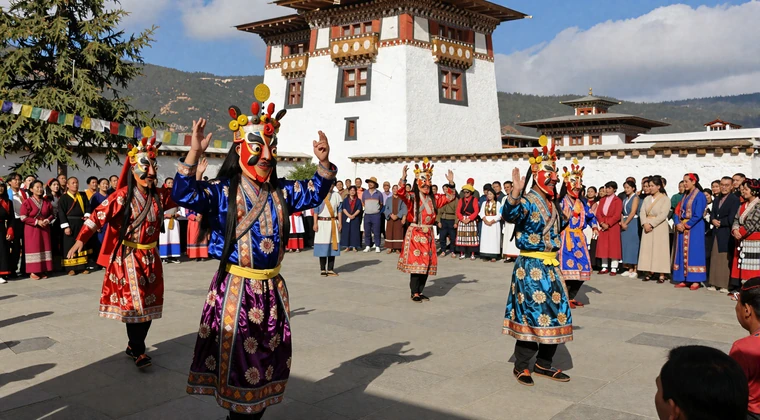
| Tshechu Festivals | Multi-day masked dance festivals held at dzongs (fortresses) across the country. Dancers wear elaborate costumes representing Buddhist deities and demons. Held annually in each district. | Attending a Tshechu with your Bhutanese partner is one of the most romantic cultural experiences in Asia. Timing your visit around a Tshechu demonstrates cultural investment. |
| Kira & Gho Dress | Women wear the ankle-length kira (wrapped dress with brooch), men wear the knee-length gho (robe). Required in government offices, dzongs, and formal occasions. | Complimenting her kira and showing willingness to wear a gho signals cultural respect. Many Bhutanese women will gift their partner a gho as a sign of acceptance. |
| Family Structure | Matrilineal inheritance is common, especially in rural Bhutan. Women often own the family home. Extended families live together, and elders are deeply respected. | Unlike many Asian cultures, Bhutanese women hold significant household authority. Your relationship will be one of genuine equals, with her family's female elders playing a central advisory role. |
| Cuisine (Ema Datshi) | The national dish - chili peppers cooked in cheese sauce - reflects Bhutan's love of bold flavors. Red rice, buckwheat, and yak butter tea are staples. | Sharing ema datshi is a bonding ritual. Showing enthusiasm for Bhutanese cuisine (even the intense spice levels) earns admiration and laughter - both essential in Bhutanese courtship. |
Bhutanese Singles Seeking Genuine Connections
Verified
 Verified
Sonam Choden
 Verified
Kinley Wangmo
 Verified
Dechen Pem
 Verified
Pema Lhamo
 Verified
Chimi Dema
 Verified
Ugyen Lhaden
 Verified
Sangay Zam
Bhutanese Dating Culture - Buddhism, Festivals, and Family Bonds
Dating culture in Bhutan is unlike anything you've encountered in the West - or even in most of Asia. Shaped by centuries of Buddhist philosophy, Bhutan's approach to romantic relationships emphasizes spiritual compatibility, family harmony, and long-term emotional investment over the rapid-fire swipe culture dominant elsewhere. A 2025 survey by the Centre for Bhutan & GNH Studies found that 88% of Bhutanese women consider "shared values and mutual respect" the most important factor in choosing a partner, ranking far above physical appearance or financial status.
Here's the thing: Bhutan's unique isolation until the late 20th century means its dating customs evolved independently of Western and even broader Asian influences. While globalization has introduced modern dating concepts through social media and international education, the core Bhutanese relationship philosophy remains deeply rooted in Buddhist principles of compassion (karuna), mindfulness (sati), and interdependence (pratityasamutpada).
The Role of Buddhism in Bhutanese Relationships
Buddhism isn't just a religion in Bhutan - it's the operating system of daily life. Every morning begins with prayers or the spinning of prayer wheels. Auspicious dates are chosen for significant life events, from starting a new job to beginning a relationship. Bhutanese women often consult Buddhist astrology (tsip) to assess the compatibility of a potential partner - not as superstition, but as a respected cultural tradition that honors the interconnectedness of all things.
What does this mean in practice? When dating a Bhutanese woman, expect conversations about spiritual values, life purpose, and emotional well-being to emerge early and naturally. She may ask about your philosophy of life, your relationship with nature, or your understanding of impermanence - not to test you, but because these questions are central to how Bhutanese people evaluate meaningful connections. According to the Bhutan Living Standards Survey (2025), 72% of Bhutanese women say they could not commit to a partner who showed disrespect toward Buddhist practices or spiritual values.
Tshechu Festivals - The Heart of Bhutanese Social Life
Tshechu festivals are multi-day celebrations held at every dzong (fortress-monastery) across Bhutan, commemorating the deeds of Guru Rinpoche, the Buddhist saint who brought Buddhism to Bhutan in the 8th century. Monks perform elaborate masked dances (cham) in vibrant silk costumes, and the entire community gathers in their finest traditional dress - men in gho, women in kira. The Paro Tshechu (held in March/April) and the Thimphu Tshechu (held in September/October) are the most famous, attracting visitors from across the country.
For Bhutanese women, Tshechu is not just a religious event - it's the most important social occasion of the year. Families reunite, young people meet, and community bonds are strengthened. If you're planning to visit your Bhutanese partner, timing your trip to coincide with a Tshechu demonstrates extraordinary cultural investment. Your presence at the festival, dressed in a borrowed gho, standing beside her family in the dzong courtyard, would create a memory - and a trust signal - that no amount of online messaging can match.
The festival traditions of Bhutan share spiritual roots with Nepali women's cultural celebrations like Dashain and Tihar, both rooted in Hindu-Buddhist syncretism. Similarly, Sri Lankan women celebrate Vesak with lantern festivals and temple visits that echo the devotional spirit of Bhutan's Tshechu.
Archery, Community, and Courtship
Archery (dha) is Bhutan's national sport and a central social ritual. Village archery competitions are events where entire communities gather, often lasting full days with singing, dancing, feasting, and animated cheering. In rural Bhutan, archery tournaments have traditionally served as matchmaking opportunities - young men demonstrate their skill while women cheer, sing, and assess potential partners. While modern urban dating in Thimphu relies more on social media and introduction through mutual friends, the archery metaphor persists: Bhutanese women value men who demonstrate focus, patience, and dedication - qualities that translate directly from the archery field to the relationship.
The Kira - More Than a Dress
The kira is the traditional national dress for Bhutanese women: an ankle-length rectangular cloth wrapped around the body and fastened at the shoulders with silver brooches (koma), belted at the waist with a handwoven kera. Far from being a relic, the kira is mandatory in government buildings, schools, and dzongs - and most Bhutanese women wear it daily with pride. The fabric, weaving pattern, and colors of a woman's kira communicate her region of origin, social status, and personal aesthetic.
Complimenting a Bhutanese woman's kira - especially asking about the weaving tradition behind it - is one of the most effective conversation openers in Bhutanese women dating. Many Bhutanese women weave their own kiras on traditional backstrap looms, a skill passed from mother to daughter. A Bhutanese woman who offers to weave or gift you a gho is making a profound statement of acceptance.
Do's and Don'ts of Bhutanese Online Dating
✓ Do's
- Express genuine interest in Gross National Happiness philosophy and Buddhist values
- Ask about her family, regional traditions, and Tshechu celebrations
- Share your own spiritual or philosophical outlook - Bhutanese women value depth
- Show appreciation for nature, hiking, and environmental consciousness
- Be patient with the relationship pace - Bhutanese courtship is gradual and intentional
- Learn a few Dzongkha phrases to demonstrate cultural commitment
✗ Don'ts
- Don't display material wealth as a primary attraction - GNH culture values well-being over money
- Don't mock or trivialize Buddhist practices, prayer wheels, or astrology traditions
- Don't confuse Bhutan with Nepal or Tibet - Bhutanese people have a distinct national identity
- Don't rush physical intimacy - respect the Buddhist approach to gradual emotional connection
- Don't ignore her family's role - family approval is deeply important in Bhutanese culture
- Don't photograph sacred sites disrespectfully or treat cultural experiences as tourist spectacles
💡 Dzongkha Phrases for Dating
- Kuzu zangpo la - Hello (formal, respectful)
- Kadrinche la - Thank you
- Chhoe gi ming ga chi mo? - What is your name?
- Nga garab bay - I am happy
- Chhoe lu ga dha - I like you
- Losar tashi delek! - Happy New Year!
- Lhakhang gaday mo? - Where is the temple?
Even basic Dzongkha phrases create a powerful emotional bond. For more tips, see our language barrier guide.

Robert & Tshering USA 🇺🇸 & Bhutan 🇧🇹 - Married 2025I never imagined I'd find my soulmate in Bhutan, but Tshering's warmth, her deep spirituality, and the way her whole family embraced me during the Paro Tshechu - it changed my life forever. She taught me that happiness isn't about having more; it's about being present with the people you love.
Practical Tips for Dating a Bhutanese Woman
Succeeding in Bhutanese women dating requires understanding a culture that operates on fundamentally different principles than Western dating norms. The Bhutanese approach to relationships mirrors the GNH philosophy: slow, intentional, holistic. A 2025 study published in the Journal of Cross-Cultural Psychology found that intercultural couples who invest in understanding their partner's spiritual framework report 42% higher relationship longevity. Here are six proven strategies for building a genuine connection with a Bhutanese woman.
- Respect her Buddhist practices. If she meditates, prays, or visits temples regularly, express sincere curiosity - not skepticism. Ask her to explain the significance of prayer flags, butter lamps, or the mantra Om Mani Padme Hum. A man who sits quietly beside her during morning prayers demonstrates the kind of presence that Bhutanese women find deeply attractive.
- Understand the GNH mindset. Bhutanese women measure relationship quality through emotional well-being, not grand gestures or expensive gifts. Instead of sending jewelry, send a heartfelt letter about what her presence means to your happiness. According to the GNH Survey 2025, 94% of Bhutanese respondents define "meaningful relationships" as their primary source of life satisfaction.
- Participate in Tshechu festivals. If you're planning to visit Bhutan, time your trip around a regional Tshechu. The Paro Tshechu (March/April), Thimphu Tshechu (September/October), and Punakha Dromche (February) are the most accessible. Wearing a borrowed gho and joining her family at the festival creates unforgettable bonding memories.
- Embrace her family's role. In Bhutanese culture, introducing a partner to the family happens relatively early - it signals serious intent. Be prepared to share meals, participate in household prayers, and show genuine respect to her parents and grandparents. Offering to help prepare a meal or carry firewood (in rural settings) speaks louder than any words.
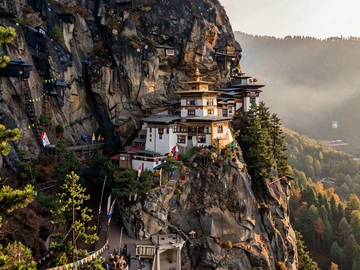
- Appreciate nature together. Bhutan's pristine environment is a source of national pride. Planning activities around nature - hiking to Tiger's Nest, trekking in the Bumthang valley, or simply walking through rhododendron forests - resonates deeply with a Bhutanese woman's identity. Bhutan maintains 72%+ forest cover and bans the export of raw timber - environmental consciousness is a core value.
- Be patient with the pace. Bhutanese women do not rush into relationships. The concept of tha damtshig (sacred loyalty) means she will take time to assess your character, consistency, and sincerity before deepening the commitment. This isn't reluctance - it's the Bhutanese way of ensuring that every relationship is built on an unshakeable foundation. Consistent daily communication over weeks and months builds the trust she needs.
ℹ️ Cross-Cultural Connections
Bhutanese dating values share deep similarities with neighboring Himalayan cultures. If you're also interested in Nepali women dating, you'll find that both Bhutanese and Nepali women share the Hindu-Buddhist spiritual foundation, deep reverence for mountains and nature, and a family-centered approach to relationships. The Nepali concept of dharma closely mirrors Bhutan's chhoe (Buddhist law).
Creating a Profile That Appeals to Bhutanese Women
Your dating profile is the first impression - and Bhutanese women evaluate it with the same mindfulness they apply to all life decisions. Include photos that show genuine aspects of your life: a nature shot (hiking, gardening, at a park), a photo with family or friends (demonstrating community bonds), and a warm, approachable headshot. Avoid party photos, gym selfies, or photos with expensive cars - these signal values that clash with the GNH mindset.
In your bio, emphasize what brings you happiness beyond material success. Mention your interest in Buddhist philosophy, meditation, travel to Bhutan, or environmental causes. A line like "I believe true happiness comes from meaningful connections, not material possessions" would resonate powerfully with a Bhutanese woman reading your profile. For detailed profile optimization, explore our dating profile creation guide.
Planning Your First Visit to Bhutan
Bhutan operates a unique tourism model: all international visitors (except citizens of India, Bangladesh, and the Maldives) must book through a licensed Bhutanese tour operator and pay a Sustainable Development Fee (SDF) of $100 per day (revised from $200 in 2025). While this may seem restrictive, it ensures an intimate, uncrowded experience that makes Bhutan one of the most extraordinary countries to visit on Earth. Direct flights operate from Bangkok, Delhi, Kolkata, Singapore, and Kathmandu to Paro International Airport - one of the world's most challenging runways, surrounded by 5,000-meter Himalayan peaks.
Key destinations for a first visit: Thimphu (the capital, with cafes, markets, and the giant Buddha Dordenma statue), Paro (Tiger's Nest Monastery, the iconic cliff-perched temple), Punakha (the stunning Punakha Dzong at the confluence of two rivers), and the Bumthang Valley (Bhutan's spiritual heartland). For comprehensive travel planning, see our guide to planning your first trip to Asia.
"In Bhutan, we say tha damtshig - sacred loyalty. When a Bhutanese woman chooses you, she isn't making a casual decision. She is committing her heart with the same reverence she brings to her prayers. Honor that commitment, and you will have a partner for life."
- Dr. Karma Phuntsho, Bhutanese cultural scholar, author of The History of Bhutan, 2025
Navigating the Bhutanese Diaspora
While Bhutan's small population limits the number of women living domestically, a growing Bhutanese diaspora in the United States (approximately 25,000, concentrated in cities like Columbus, Ohio and New York), Australia, and Canada creates additional opportunities for connection. Diaspora Bhutanese women often maintain strong ties to their cultural roots while being more familiar with Western lifestyles - offering the best of both worlds for men seeking cross-cultural relationships.
The broader South Asian and Himalayan dating landscape offers complementary connections. Indian women from northeastern states like Sikkim and Arunachal Pradesh share ethnic and cultural ties with Bhutan. Nepali women from the Kathmandu Valley and Himalayan regions share the same reverence for Buddhist temples, mountain landscapes, and community-centered values that define the Bhutanese dating experience.
📝 Key Takeaways for Bhutanese Women Dating
- Bhutanese women are shaped by Gross National Happiness - they seek emotional well-being and meaningful connection over material wealth.
- Vajrayana Buddhism is central to daily life; respecting her spiritual practices is the foundation of trust.
- Tshechu festivals are the most important social and romantic occasions in Bhutanese culture.
- Bhutan has significant matrilineal traditions - women hold real authority in family decisions.
- The traditional kira is a source of deep cultural pride; appreciating it opens powerful conversations.
- Patience is essential - Bhutanese women evaluate partners through the lens of tha damtshig (sacred loyalty) before committing.
- Asian iDatingZone provides 18,000+ verified Bhutanese profiles with cultural tools to support your journey.
ℹ️ Explore More Himalayan Connections
Interested in the broader Himalayan and South Asian dating experience? Discover verified profiles and cultural guides for:
Frequently Asked Questions About Bhutanese Women Dating
Yes, foreigners can date Bhutanese women. Bhutan has no laws prohibiting cross-cultural relationships or marriage between Bhutanese citizens and foreign nationals. However, Bhutanese women who marry non-citizens may need to navigate citizenship considerations - a Bhutanese woman who marries a foreigner retains her citizenship, but her spouse does not automatically gain Bhutanese citizenship. The growing Bhutanese diaspora in the United States (~25,000 people), Australia, and Canada also provides opportunities to connect with Bhutanese women living abroad. Asian iDatingZone hosts 18,000+ verified Bhutanese profiles specifically for serious cross-cultural dating.
Gross National Happiness (GNH) is Bhutan's national development philosophy, established by King Jigme Singye Wangchuck in 1972. It measures national progress through four pillars: sustainable socio-economic development, environmental conservation, cultural preservation, and good governance. In the context of dating, GNH means that Bhutanese women evaluate relationships through the lens of emotional well-being rather than material wealth. A 2025 GNH Survey found that 94% of Bhutanese respondents define meaningful relationships as their primary source of life satisfaction. To impress a Bhutanese woman, focus on demonstrating emotional depth, mindfulness, and genuine presence - not financial success.
Increasingly, yes. While Bhutan remained isolated until the 1960s, rapid modernization - especially the arrival of internet in 1999 and the expansion of social media - has connected young Bhutanese women with the global community. Many urban Bhutanese women in Thimphu and Paro have studied abroad, work with international organizations, or have relatives in the diaspora. A 2025 survey by the Bhutan Centre for Media and Democracy found that 47% of Bhutanese women aged 20-35 are open to international dating, provided the partner demonstrates genuine respect for Bhutanese culture and Buddhist values. Explore our Asian women dating homepage for the complete range of verified profiles.
Key customs include: 1) Remove shoes before entering homes and temples. 2) Walk clockwise around Buddhist monuments and prayer wheels. 3) Dress modestly - Bhutanese women wear kira daily, and visitors are expected to wear gho in dzongs. 4) Accept food and drinks with both hands or the right hand. 5) Never point your feet toward religious objects or people. 6) Ask permission before photographing people, especially monks. 7) Show deep respect for the King - Bhutanese people revere the monarchy. 8) During Tshechu festivals, maintain reverent behavior during masked dances. These customs reflect the Buddhist foundation of Bhutanese life, and observing them signals cultural maturity.
The most effective way to meet Bhutanese women online is through a verified international dating platform like Asian iDatingZone, which hosts over 18,000 verified Bhutanese profiles. Create a thoughtful profile emphasizing your values, interest in Buddhist culture, and love of nature. Use search filters to connect with women from specific cities - Thimphu, Paro, Punakha, or Bumthang. Send personalized first messages referencing her profile details. Be patient - Bhutanese women take time to evaluate sincerity before deepening connections. Our platform provides cultural guides, Dzongkha translation tools, and video chat features for secure cross-cultural communication.
Bhutan requires international visitors (except Indian, Bangladeshi, and Maldivian citizens) to book through a licensed Bhutanese tour operator and pay a Sustainable Development Fee (SDF) of $100 per day. Direct flights operate from Bangkok, Delhi, Kathmandu, and Singapore to Paro International Airport. Best visiting seasons are spring (March-May, for rhododendron blooms and Paro Tshechu) and autumn (September-November, for clear Himalayan views and Thimphu Tshechu). Key destinations: Thimphu's Buddha Dordenma, Paro's Tiger's Nest, Punakha Dzong, and the spiritual Bumthang Valley. For a complete guide, see our first trip to Asia planning guide.
Family approval is very important in Bhutanese dating culture, though the dynamics differ from many other Asian cultures. Bhutan has significant matrilineal traditions - in many families, women own the household property and female elders have decisive influence over family decisions. When dating a Bhutanese woman, expect early conversations about family. Meeting her parents - especially her mother and maternal grandmother - is a significant milestone that signals serious intent. Showing respect to elders, sharing meals together, and demonstrating genuine interest in her family's story are the fastest paths to gaining approval. A Bhutanese family that welcomes you into their home is extending profound trust.